 Leadline Inc.
RA-01: Internal Control Audits
Internal audits that assess the design and operating effectiveness of controls and compare them against the Company's security, availability, confidentiality, processing integrity, and privacy commitments
Control Description
Internal audits that assess the design and operating effectiveness of controls and compare them against the Company's security, availability, confidentiality, processing integrity, and privacy (update as applicable) commitments, requirements, and policies and procedures are performed based on a risk-based assessment plan. Corrections and other necessary actions related to any identified deficiencies, including updates to the Company's policies and procedures, are implemented within the quarter.
Plain Meaning
This control requires regular internal audits to evaluate how well your security controls are working. You must check if your controls are properly designed and operating effectively against your security commitments. When problems are found, you must fix them within three months and update your policies and procedures accordingly.
Implementation: Comprehensive Internal Auditing
Attack-Based Security Audits
We conduct internal audits using attack simulations to test the effectiveness of our security controls and identify potential vulnerabilities in our systems.
Penetration Testing
- Regular Testing: Quarterly penetration testing of critical systems
- Attack Scenarios: Simulated attacks against web applications, APIs, and infrastructure
- Vulnerability Assessment: Automated and manual vulnerability scanning
- Social Engineering: Phishing and social engineering attack simulations
Red Team Exercises
- Realistic Scenarios: Simulate real-world attack scenarios
- Multi-Vector Attacks: Test multiple attack vectors simultaneously
- Incident Response Testing: Evaluate incident response capabilities
- Control Effectiveness: Assess how well controls detect and respond to attacks
Third-Party Dependency Management
Dependency Audits
- Regular Updates: Monthly review and update of third-party dependencies
- Vulnerability Scanning: Automated scanning for known vulnerabilities
- Security Assessment: Evaluate security posture of third-party vendors
- Risk Assessment: Assess risks associated with third-party dependencies
Update Procedures
- Automated Scanning: Continuous monitoring of dependency vulnerabilities
- Patch Management: Prompt application of security patches
- Testing Process: Test updates in staging environment before production
- Rollback Procedures: Ability to rollback problematic updates
Lessons Learned and Problem Reflection
Historical Analysis
- Previous Incidents: Review and analyze previous security incidents
- Root Cause Analysis: Identify underlying causes of past problems
- Control Gaps: Assess where controls failed or were insufficient
- Improvement Tracking: Track improvements made based on past issues
Continuous Improvement
- Process Refinement: Update processes based on lessons learned
- Control Enhancement: Strengthen controls that were previously bypassed
- Training Updates: Update security training based on incident patterns
- Policy Updates: Revise policies and procedures based on findings
Audit Reporting and Remediation
Quarterly Audit Cycle
- Q1: Attack simulation and penetration testing
- Q2: Third-party dependency assessment and updates
- Q3: Lessons learned review and process improvement
- Q4: Comprehensive control effectiveness assessment
Remediation Timeline
- Critical Issues: Immediate remediation (within 24 hours)
- High Priority: Remediation within 2 weeks
- Medium Priority: Remediation within 1 month
- Low Priority: Remediation within 3 months
Related Controls
Risk Assessment
- RA-02: Risk Assessment Procedures: Risk assessment methodologies and procedures
- RA-03: Third-Party Risk Assessment: Third-party vendor risk assessment
Monitoring and Security Scanning
- COM-08: Quarterly Internal Network Scans: Internal security scanning and assessment
- COM-09: Annual External Scanning: External security assessments
- COM-10: Security Event Monitoring: Security event detection and monitoring
Access Management
- LS-04: Access Authorization: Access authorization controls
- LS-05: Access Review: Regular access reviews and audits
- LS-14: Administrative Access Restrictions: Administrative access controls
- LS-16: Encrypted Transmissions: Network security controls
Change Management
- CM-1: Source Code Access Review: Code access security controls
- CM-3: Change Authorization: Change management controls
- CM-4: Change Testing: Change testing and validation
Incident Response
- IR-01: Monthly Incident Review: Incident review and lessons learned
- IR-02: Incident Management Process: Incident response procedures
Third-Party Management
- TPM-01: Third-Party Risk Assessment: Third-party vendor assessment
- TPM-02: Third-Party Access Controls: Third-party access management
- TPM-03: Third-Party Monitoring: Third-party performance monitoring
Security Monitoring and Audit Tools
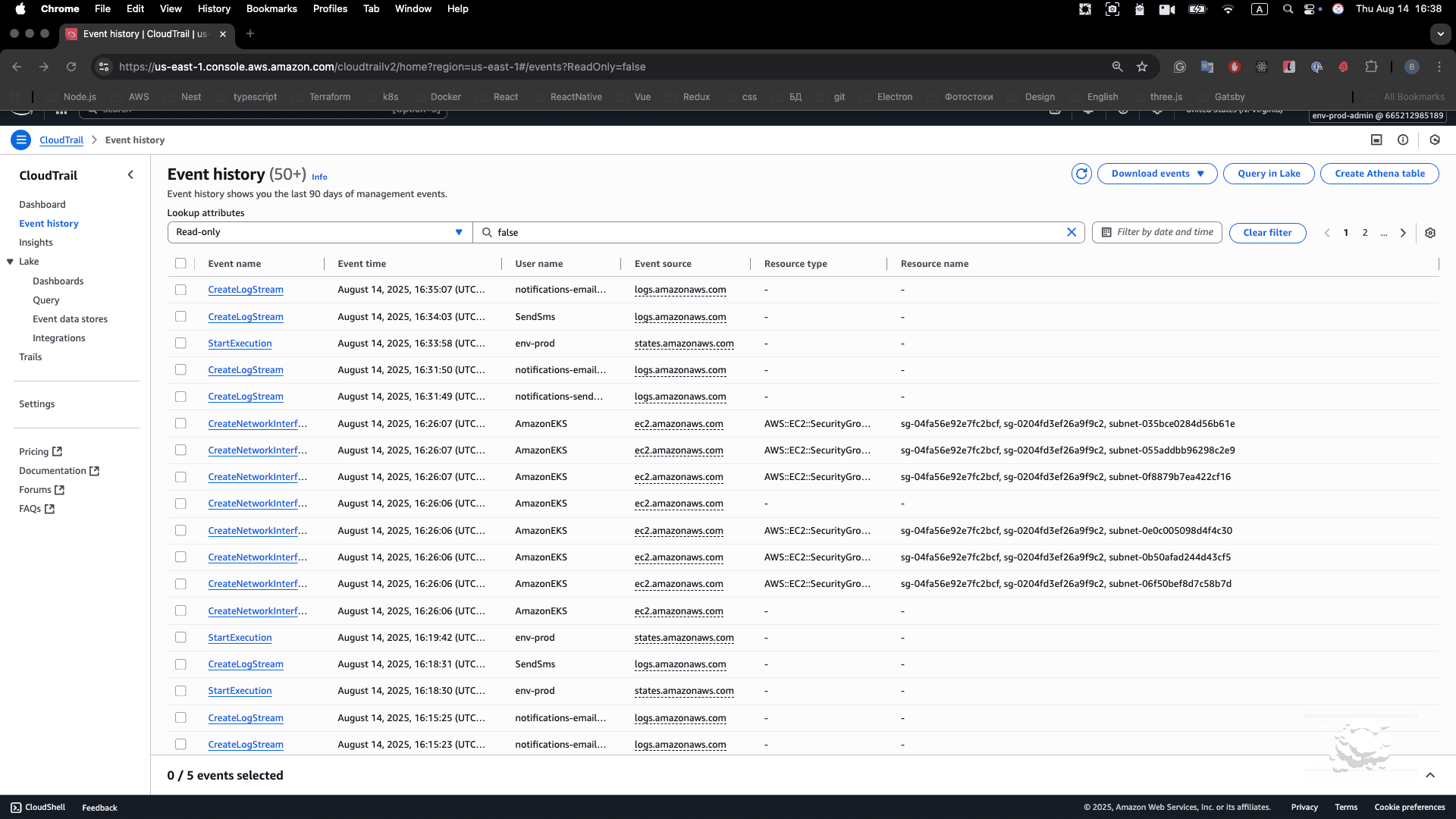
AWS CloudTrail Event Monitoring
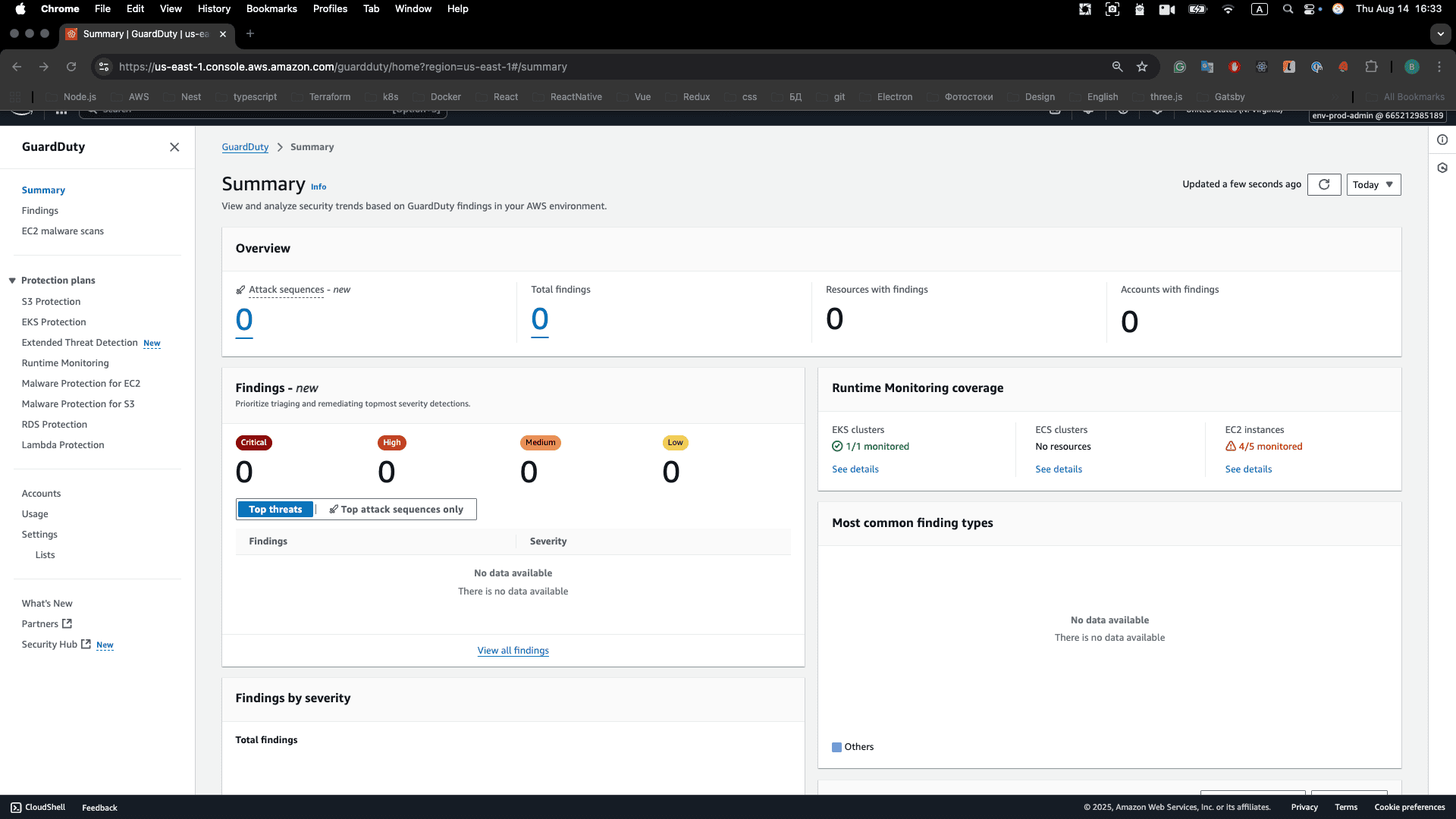
AWS GuardDuty Threat Detection
Related Links
Leadline Architecture Design
- SSDLC Security Practices: Security toolchain, threat modeling, and security testing for risk assessment
- Observability & Monitoring: Monitoring and alerting for risk detection and assessment
Security Resources
PP-20: IT Job Descriptions and Responsibilities
Written job descriptions specifying responsibilities and professional requirements for IT positions affecting system security, availability, confidentiality, processing integrity, and privacy
RA-02: Annual Risk Assessment with Fraud Risk
Annual risk assessment including fraud risk assessment and evaluation of unauthorized access opportunities